The Question Everyone Asks: What Is My Body Fat Percentage?
Figuring out body fat percentage is one of the most common goals in fitness — and one of the most misunderstood. You might know your weight, your BMI, even your bench press max, but without body fat context those numbers float untethered from composition reality. Body fat percentage tells you what fraction of your total mass is adipose tissue, separating "heavy because muscular" from "heavy because of excess fat."
Most people do not need laboratory precision to figure out body fat percentage usefully. They need a repeatable process that reveals whether last month's nutrition and training changes actually worked. That is achievable from home with free tools, consistent technique, and patience across multiple check-ins.
This guide walks through exactly how to figure out body fat percentage using the two complementary methods on Body Fat Estimator App: photo AI analysis and the Navy circumference formula. We will cover preparation, execution, interpretation, and the honest limitations that keep estimates useful rather than misleading.
Before You Start: What You Need
Gathering the right inputs once prevents weeks of noisy data later.
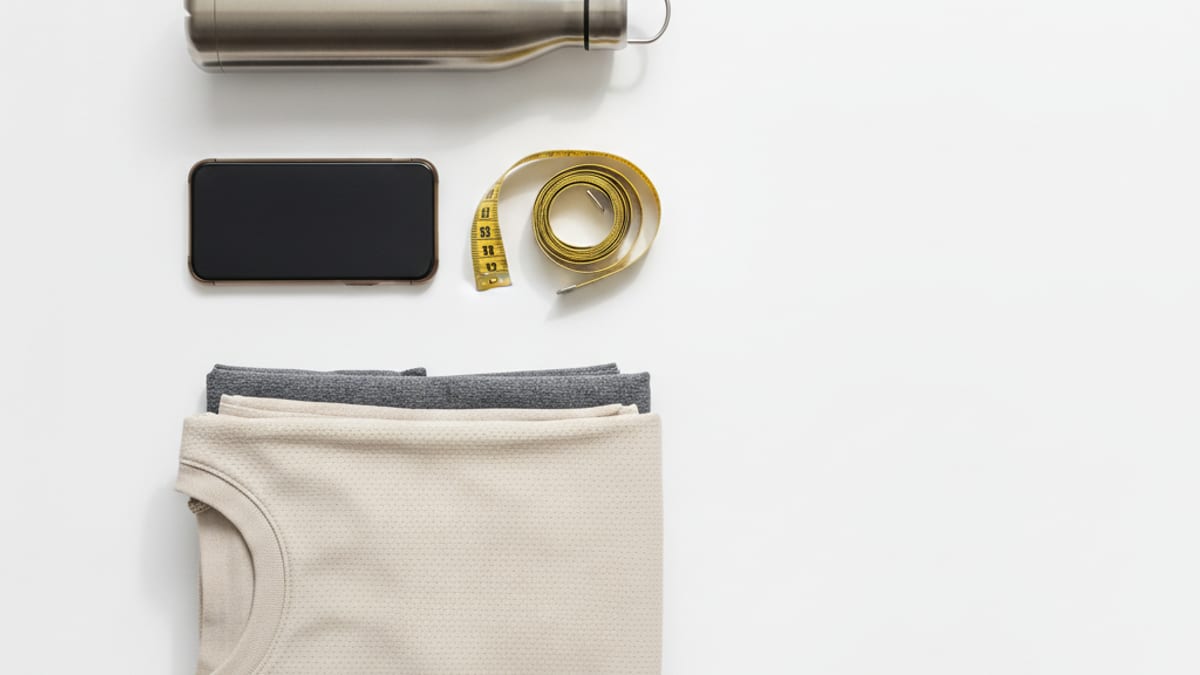
For the Navy method: a flexible cloth or plastic tape measure (not a metal construction tape), a mirror or helper for the first session, and your height recorded accurately. Note whether you measure in inches or centimeters and stay consistent.
For photo AI: a smartphone camera, form-fitting clothing or minimal attire, even lighting, and a plain background. A tripod or propped phone improves angle consistency between sessions.
For tracking: a notes app or spreadsheet with columns for date, Navy estimate, photo estimate, and optional context (travel, illness, cycle phase).
Optional health context: if figuring out body fat percentage relates to abdominal health concerns, bookmark the visceral fat calculator for waist-based screening alongside total body fat.
Schedule your first session for a morning when you are hydrated normally — not after a sodium-heavy dinner or dehydrated from alcohol. Standard conditions produce standard baselines.
Step 1: Figure Out Body Fat With the Navy Calculator
The Navy circumference method is the most established field formula for estimating body fat percentage. Military fitness programs have used it for decades because it requires only a tape measure and produces reasonably consistent results across large populations.
Neck measurement. Stand relaxed with eyes forward. Place the tape just below the larynx (Adam's apple), sloping slightly downward at the front. Keep the tape horizontal around the back of the neck. Record to the nearest quarter inch or half centimeter.
Waist measurement. For men, measure at the navel level with the abdomen relaxed — do not suck in. For women, measure at the narrowest natural waist per Navy protocol. The tape should be horizontal and snug without compressing skin.
Hip measurement (women only). Stand with feet together. Measure at the widest protrusion of the buttocks, keeping the tape horizontal.
Height. Enter accurate height — small errors propagate into formula output.
Input all values into the Navy body fat calculator. The result is your Navy-based body fat percentage estimate. Write it down with today's date before moving to photo analysis.
Repeat each circumference twice. If readings differ by more than half an inch, measure a third time and average. Technique consistency matters more than mathematical perfection at any single site.
Step 2: Figure Out Body Fat With Photo AI
Photo AI offers an independent pathway to figure out body fat percentage without touching a tape measure. The photo AI estimator on Body Fat Estimator App analyzes front and side images to infer composition from visual body proportions.
Front photo setup. Stand six to eight feet from the camera at chest height. Feet shoulder-width apart, arms slightly away from sides, gaze forward. Wear tight-fitting shorts and a fitted top — or swimwear — so contours remain visible.
Side photo setup. Rotate ninety degrees. Maintain the same distance and posture. The side profile reveals abdominal depth and limb thickness that front photos alone miss.
Lighting. Face a window during daylight or use two light sources to minimize shadow on one side of the body. Shadow exaggerates or hides contours and shifts estimates.
Upload both images and review the returned estimate. Record it alongside your Navy result. Expect the two numbers to differ somewhat — three to five percentage points is common. They measure through different pathways.
Step 3: Compare, Contextualize, and Set Your Baseline
You now have two independent estimates. Here is how to figure out which number to trust — the answer is both, over time.
If photo AI reads 22% and Navy reads 19%, neither is definitively "correct" without a DEXA scan for calibration. Your baseline is the pair: {Navy: 19%, Photo: 22%}. Next check-in, compare each method against its own prior reading, not against each other.
Establish which method you find easier to execute consistently. That becomes your primary trend tracker. The secondary method serves as a cross-check when results seem surprising.
Note your starting weight, waist circumference (independent of the formula), and take a progress photo matching your AI upload conditions. These parallel data streams validate composition changes that body fat percentage alone might delay in showing.
Step 4: Build a Recheck Schedule and Read Trends
Figuring out body fat percentage once provides a snapshot. Figuring it out every one to two weeks builds a trend line with actionable meaning.
Mark recurring calendar reminders — same weekday, same morning routine. At each check-in, repeat Navy measurements and photo uploads under identical conditions. Log results without overreacting to any single week.
What meaningful progress looks like. During a moderate fat-loss phase, expect roughly 0.5 to 1.0 percentage point decline per month on your primary method. Faster change happens during aggressive cuts but often includes water fluctuation.
What a plateau looks like. Four or more weeks with no directional movement on either method despite consistent habits suggests it is time to adjust nutrition or activity — not time to panic about metabolic damage.
What noise looks like. One week up, next week down, with no clear pattern across two data points. Ignore noise; extend your observation window.
After eight to twelve weeks, review the full series. The trend direction — not any single figure — answers whether you successfully figured out and improved your body composition.
Understanding What Your Percentage Means
Once you figure out body fat percentage, interpretation determines whether the number helps or harms your progress.
Essential fat floors. Men need roughly 2–5% essential fat; women need roughly 10–13%. Going far below these ranges requires medical supervision and carries health risks. App estimates near these floors should trigger professional consultation, not celebration.
Athletic ranges. Men in competitive leanness often sit between 6–13%; women between 14–20%. These ranges support performance but are not mandatory for health.
General fitness. Many healthy active adults feel and perform well at higher percentages than Instagram suggests. Sustainable habits matter more than a target number.
Distribution matters. Two people at 25% can have different health profiles depending on visceral versus subcutaneous fat storage. Elevated waist circumference relative to height warrants attention beyond total body fat percentage alone — use the visceral fat calculator when this applies.
Body fat percentage is one variable in a health and performance dashboard. Pair it with strength, energy, blood markers (via your doctor), and subjective wellbeing.
Troubleshooting When Results Do Not Make Sense
Sometimes figuring out body fat percentage produces confusing output. Common causes and fixes:
Large week-to-week swings. Usually hydration, sodium, or inconsistent photo posture. Standardize conditions and extend averaging across more weeks.
Navy estimate rising during visible fat loss. Check tape placement — waist creep from measuring at a different point inflates results. Also consider whether oblique or core muscle growth increased waist measurement without fat gain.
Photo estimate stuck despite scale loss. You may be losing muscle alongside fat, or photo conditions changed. Review lighting and clothing consistency.
Both methods flat during aggressive dieting. Deficit may be smaller than assumed, or NEAT (non-exercise activity) dropped unconsciously. Audit food logging honestly.
Estimates seem "too high" for how you look. Muscular individuals often get overestimated by circumference methods. Photo AI may handle muscle differently depending on build. Focus on trends, not absolute comparison to charts designed for general populations.
If confusion persists across eight or more consistent data points, an occasional DEXA scan provides calibration — then return to free home methods for ongoing tracking.
Frequently Asked Questions
What is the fastest way to figure out body fat percentage?
Upload front and side photos to the photo AI estimator on Body Fat Estimator App. Results take minutes with no equipment beyond your phone.
Do I need both Navy and photo methods?
Not required, but recommended. Independent methods that agree directionally increase confidence in your trends. Both are free on the site.
How do I figure out body fat percentage without a gym?
Everything in this guide works at home. Navy method needs a tape measure; photo AI needs a phone. No gym equipment or membership required.
Why does figuring out body fat percentage matter for weight loss?
Weight loss without composition context can include muscle loss. Body fat percentage reveals whether you are losing the tissue you intend to lose.
Are online tools accurate enough to figure out body fat percentage?
Yes, for trend tracking. Home estimates typically carry three to five point error bands but reveal real directional change over months when used consistently.
Figure Out Your Body Fat Percentage Now
You do not need a lab appointment to figure out body fat percentage — you need consistent tools and a patient tracking habit.
Body Fat Estimator App provides everything free to start: the photo AI body fat estimator, the Navy body fat calculator, and the visceral fat calculator for abdominal fat context.
Explore pricing for unlimited check-ins, saved history, and premium tracking. Figure out your baseline today — then let the next eight weeks of data tell you whether your plan is working.